AstraCloud Labs builds security and compliance into delivery rather than bolting it on at the end. The work is engineering-led, not legal advice: we design access control, audit trails, and data handling into the systems we build, so the controls a regulated client needs are part of the code and the deployment, not a document written after the fact. The firm is led by a principal engineer with eleven years of experience, and we deliver this as project work, end to end.
What this covers
Compliance fails most often when it lives outside the build. A spreadsheet of controls that nobody enforced, an audit trail that was never wired in, a data flow that quietly carried more personal data than anyone intended. We close those gaps in the engineering itself, using typed code, infrastructure as code, and tests that assert the controls hold.
Access control and RBAC
Role-based access control and least privilege designed into the application and the platform, so each user and service can reach only what its role requires, and nothing more.
Audit trails
Tamper-evident, queryable records of who did what and when, captured at the points that matter for review and incident response, not reconstructed later from scattered logs.
PII minimisation
Collecting and retaining only the personal data a feature genuinely needs, with redaction and tokenisation applied so sensitive fields do not spread across logs, caches, and analytics.
GDPR-aligned data handling
Data residency, retention, and DPIA-aware design built into how systems store and move data, so processing stays inside the boundaries a regulated client has committed to.
AI guardrails
Tool allowlists, typed parameters, and output validation around LLM applications, constraining what a model-driven feature can do and say before a response reaches a user.
Secure deployment
Secret management, secure CI/CD, and least-privilege service credentials, so the path from commit to production does not become the weakest link in the system.
Securing AI and LLM applications
AI features change the security picture. A model that can call tools, read documents, and act on user input introduces failure modes that a conventional application does not have. Treating an LLM as trusted code is the mistake; treating its inputs and outputs as untrusted, and constraining what it can reach, is the work. This is where engineering-led security and AI compliance meet.
Constraining what an agent can do
We scope agents with tool allowlists and typed parameters, so a model can only invoke the actions it has been granted and only with arguments of the expected shape. Least privilege applies to agents the same way it applies to people: an agent that never needs to delete records is not given a tool that can. Our note on preventing prompt injection covers the attack patterns this guards against and how the defences fit together.
Redaction, validation, and evaluation
A gateway in front of the model redacts personal data before it leaves the trust boundary, keeping PII out of third-party providers and out of prompt logs. Output validation checks what the model returns against the schema and policy a feature expects, rejecting responses that fall outside it. Evaluation sets then measure whether these controls hold over time, so a prompt or model change cannot quietly weaken them without a failing signal.
How AI guardrails tend to be layered
- Tool allowlists and typed parameters that bound what an agent can invoke
- A gateway that redacts and tokenises PII before it reaches a model provider
- Output validation against the expected schema and policy
- Evaluation sets that catch regressions in the guardrails themselves
- Audit trails over agent actions, queryable for review and incident response
Proof
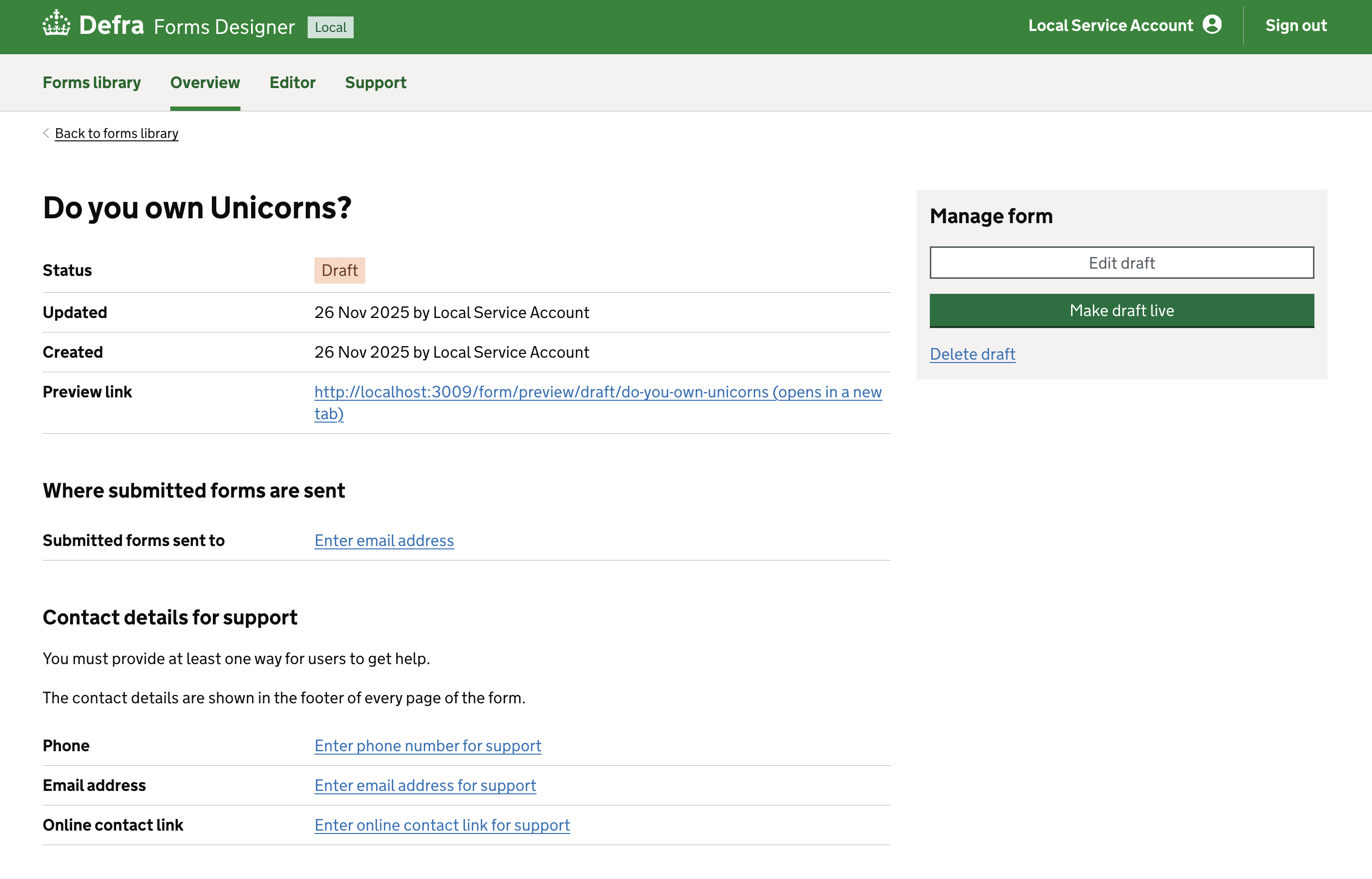
For DEFRA we build the Digital Express Toolkit, which turns paper government forms into accessible, compliant online services handling more than fourteen million transactions a year. Public-sector data handling at that volume puts access control, audit trails, and accessibility at the centre of the engineering, not at the edge of it.
For Darktrace we modernised an internal CRM and analytics platform with OAuth and JWT authentication, getting identity and session handling right across the system. For Convex Insurance we built a serverless admin platform with role-based access control and real-time event monitoring, so privileged actions are both constrained and observable. For the British Council we build AiBC with regional data residency, for example in Vietnam, and PII minimisation aligned to GDPR, keeping learner data inside the boundaries the contract requires.
What teams get from working with us
- Access control and audit trails designed into the build, not added after review
- PII minimisation and GDPR-aligned data handling enforced in code
- AI guardrails that constrain what model-driven features can do and say
- A senior engineering team delivering the project end to end
Where this connects
Security and compliance sit alongside the rest of the engineering. When the system in question is an LLM product, this work pairs with our AI agents and LLM products service, where the same guardrails, evaluation, and tracing are part of how the agents are built. Underneath both, the controls live in the platform itself: our platform and backend engineering work covers the secure CI/CD, secret management, and access boundaries these controls depend on. If you want the detail on defending model-driven features, our note on preventing prompt injection is the place to start.